

|
|
|

|
Physically-based Modeling, Simulation, and Animation Videos
|
|
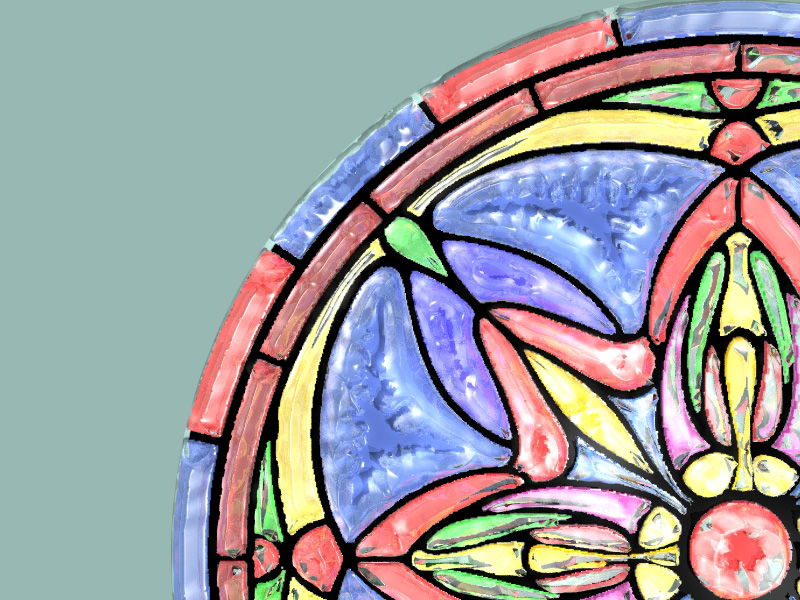
ICE GROWTHDemo (mpeg 175 MB) This is the video accompanying the paper "Visual Simulation of Ice Crystal Growth." It demonstrates several types of ice growth on |
|
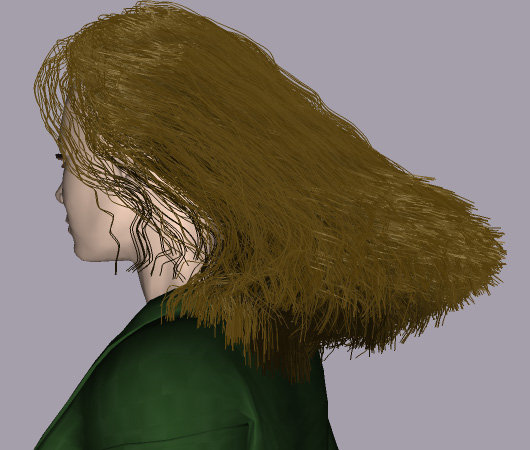
HAIR WITH ADAPTIVE GROUPINGDemo (mpeg 20 MB) This video shows our adaptive hair grouping as wind blows through the hair. First we show the skeleton models adapting as a result of the wind force. Then, there is a side-by-side comparison of our adaptive grouping technique versus traditional high level hair clustering. Finally we show a final full head of hair with wind blowing through the hair using our adaptive grouping technique. |
|
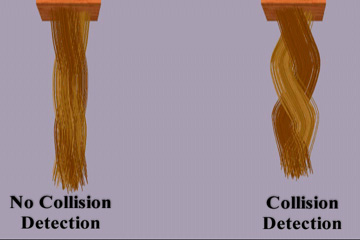
HAIR COLLISIONS (USING ADAPTIVE GROUPING)Demo (mpeg 20 MB) This video illustrates our hair-hair interaction system. The first simulation shows hair twisted together and when the hair is released the sections of hair unravel using our hair-hair collision detection scheme. We also show the results of the same simulation with no hair-hair collision detection and a side-by-side comparison of them both. |
|
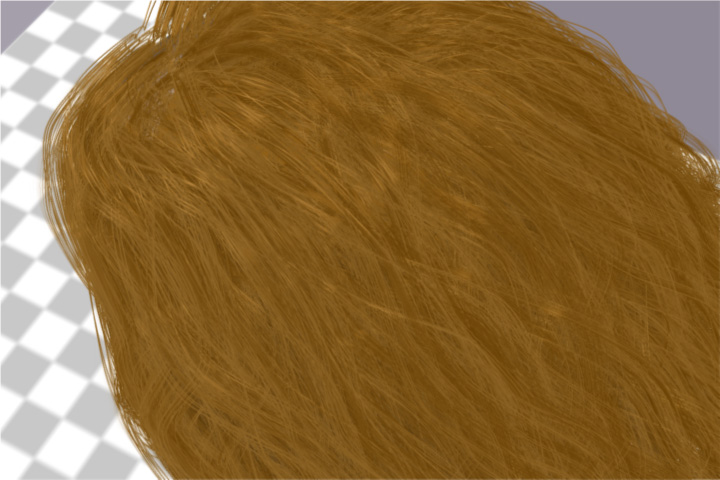
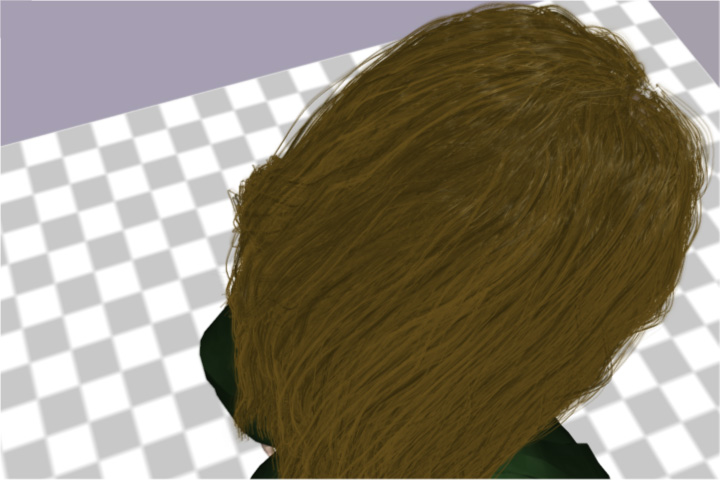
WIND THROUGH CURLY HAIRDemo (mpeg 15 MB) This movie shows a demonstration of long curly hair with sudden gusts of wind constantly applied to different parts of the hair as the camera moves about the figure. The camera starts with a close-up view of the strands so that specific detail of the hair can be observed. |
|
WIND THROUGH STRAIGHT HAIRDemo (mpeg 19 MB) This is a demonstration of gusts of wind being applied to long straight hair as the camera moves around the figure and zooms away. Notice that as the camera moves away from the figure the level-of-detail switching is triggered, though the transitions are hardly noticeable. |

|
COMPUTATION OF DISTANCE FIELD FOR AN APPLEDemo (Quicktime 10 MB) Shows the computation of a distance field for an apple |

|
COMPUTATION OF DISTANCE FIELD FOR A SNAKEDemo (Quicktime 7.2 MB) Shows the computation of a distance field for a snake |

|
APPLICATION: SNAKE COILINGDemo (Quicktime 4.6 MB) Shows the automatic coiling motion a snake generated using our FEM simulator |

|
APPLICATION: SNAKE INTERACTING WITH A TORUSDemo (Quicktime 5.9 MB) Shows two deformable objects (a snake and a torus) interacting - Example 1 |

|
APPLICATION: SNAKE INTERACTING WITH A TORUSDemo (Quicktime 4.9 MB) Shows two deformable objects (a snake and a torus) interacting - Example 2 |

|
APPLICATION: SNAKE COILINGDemo 1 (mpeg 2.4 MB) A snake swallows an apple, automatically creating bulging motions with our FEM method. |
|
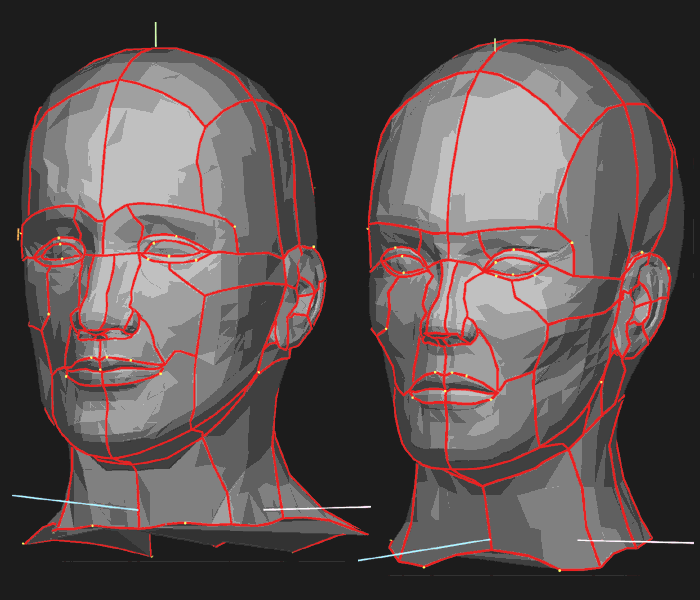
MALE TO FEMALE MORPHDemo (mpeg The male head consists of 3,426 triangles. The female head consists of 4,020 triangles. The feature nets (red) consist of 134 extremal vertices on each of the two polyhedra. All morphing trajectories are straight lines. |
|
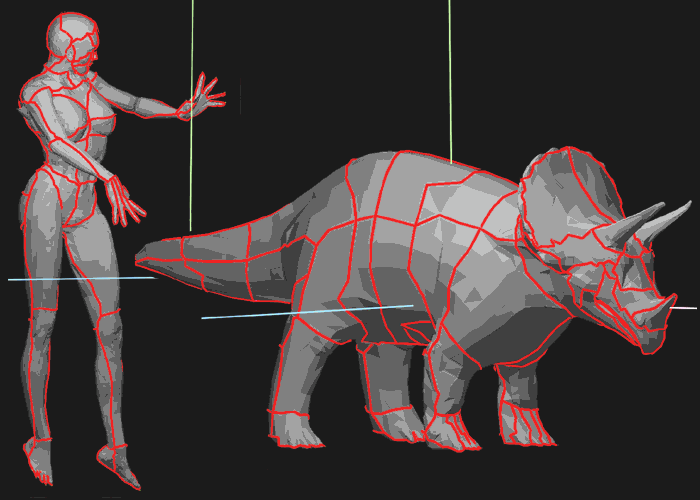
HUMAN TO DINOSAUR MORPHDemo (mpeg The human consists of 17,528 triangles. The triceratops consists of 5,660 triangles. The feature nets (red) consist of 185 extremal vertices on each of the two polyhedra. Most morphing trajectories are straight lines, except for a few around the rather flat tail, which was made to "inflate" slightly to avoid self-intersections. |
|
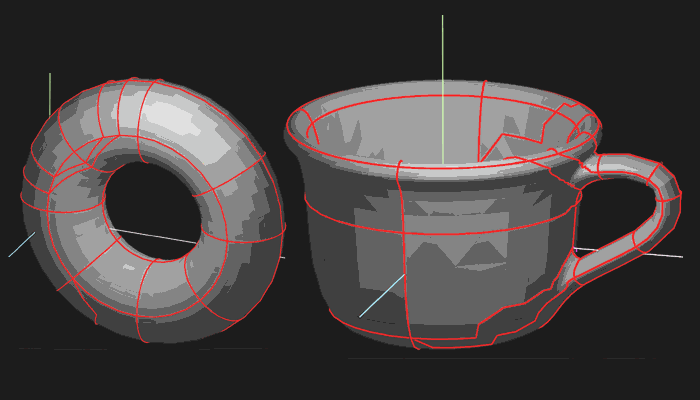
DOUGHNUT TO CUP MORPHDemo (mpeg The doughnut consists of 4,096 triangles. The cup consists of 8,452 triangles. The feature nets (red) consist of 63 extremal vertices on each of the two polyhedra. Most morphing trajectories are straight lines, except for a few around the rim of the cup, where material was "routed" along curved paths to avoid self-intersections. The crumpled appearance of the morphing surface around the rim of the cup is due to the dramatic change in surface shape between the two polyhedra, combined with a rather coarse triangulation. The shape of the folds matches the feature net portions on the doughnut which map to the rim of the cup. |
